In today's diligent customer landscape, the need for morally sourced as well as sustainable products has surged. Private label food manufacturers have emerged as pioneers in this domain, often teaming up with agreement food makers to spearhead sustainability as well as accountable sourcing initiatives. With a resolute dedication to environmental values, exclusive label brands have actually made it their objective to deliver lasting, high-quality choices to consumers.
Private Label Food Manufacturers
Recently, private label food manufacturers, additionally known as very own brands or shop brands, have observed an amazing surge in popularity. These manufacturers produce goods offered under the logo of a retailer, grocer, or private entity. What collections private-label products apart is their ability to supply affordable rates without jeopardizing on top quality.
Agreement Food Manufacturers
Numerous private-label food makers join forces with contract manufacturers to establish their line of product. Contract food suppliers are professionals in producing food products for personal tags. This calculated partnership permits exclusive label firms to take advantage of the knowledge, sources, and committed food production facilities of their collaborators.
Sustainability at the Core
Private label food manufacturers employ various approaches to boost sustainability within Food and beverage trends Australia their supply networks:
Moral Sourcing:
Private label companies are increasingly dedicated to sourcing ingredients according to ethical and reasonable trade criteria. This requires guaranteeing that producers and employees of basic materials, such as coffee beans, seasonings, or cocoa, receive reasonable payment for their efforts.
Regional Sourcing:
Prioritizing regional sourcing of ingredients is one more hallmark of private-label food manufacturers. This not just minimizes the carbon impact related to transportation yet additionally supports neighborhood farmers and also areas.
Organic Ingredients:
With the organic food market on the rise, personal labels are responding by incorporating natural components into their product lines. Organic farming practices focus on soil health while avoiding synthetic chemicals and fertilizers.
Sustainable Fish and shellfish:
Private Label Food Manufacturers are thorough in ensuring that the seafood they make use of is sustainably collected, adhering to guidelines established by organizations like the Marine Stewardship Council, which advertises accountable fishing.
Decreased Food Waste:
Private label business are actively working with minimizing food waste by implementing efficient manufacturing procedures and creating products with longer service life. Some brand names are additionally partnering with food rescue organizations to donate surplus food to those in need.
Eco-Friendly Packaging and also Efforts
Sustainability initiatives by private-label food manufacturers prolong past sourcing active ingredients to include product packaging and also environment-friendly campaigns:
Lasting Packaging:
Private label brand names have embraced environmentally friendly packaging choices, consisting of recyclable, naturally degradable, or compostable materials. Redesigning product packaging to lessen excess material and also reduce environmental impact is a leading priority.
Waste Decrease:
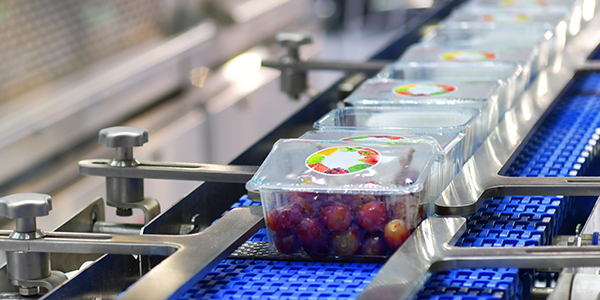
To decrease wastage, private-label food makers maximize item dimensions, reduce excess packaging, and discover innovative product packaging solutions. Some brands also urge customers to join recycling programs.
Energy Effectiveness:
Several personal label producers are investing in even more energy-efficient manufacturing plants, reducing water use, as well as adopting renewable energy sources to better decrease their environmental footprint.
Carbon Neutral Initiatives:
Some private brand name food manufacturers are taking ambitious actions to accomplish carbon nonpartisanship by offsetting their greenhouse gas emissions via reforestation jobs as well as renewable energy credit histories.
Challenges and also the Road Ahead
Despite the considerable strides made in sustainability as well as liable sourcing, private-label food suppliers deal with challenges. Balancing sustainability with cost-effectiveness can be a delicate act, often requiring concessions on sustainable components or the expedition of environmentally friendly choices.
Nonetheless, the future of private-label food manufacturing holds fantastic promise. As customer understanding and demand for sustainable items continue to climb, private-label brand names as well as their agreement food manufacturing companions are likely to magnify their efforts. Cooperation with suppliers and investment in sustainable technical advances and also openness will be critical fit a sustainable future for the sector.
Regularly Asked Questions
Q1: What are private label food manufacturers?
Private label food manufacturers produce items marketed under the logo of a store, grocer, or private entity. They offer competitively valued products without jeopardizing on high quality.
Q2: Just how do private label food manufacturers advertise sustainability?
Private label food manufacturers advertise sustainability with moral sourcing, regional active ingredient procurement, using organic active ingredients, lasting fish and shellfish techniques, as well as initiatives to minimize food waste.
Q3: What eco-friendly product packaging choices do personal label brands utilize?
Personal label brands take on eco-friendly packaging options such as recyclable, eco-friendly, or compostable materials. They also upgrade packaging to reduce excess product and lower environmental effect.
Q4: What challenges do private label food manufacturers deal with in sustainability efforts?
Balancing sustainability with cost-effectiveness is a significant challenge for private label food manufacturers. This may call for concessions on sustainable active ingredients or the expedition of environment-friendly choices.
Conclusion
Private label food manufacturers are at the center of the sustainability as well as responsible sourcing activity within the food industry. Their commitment to honest sourcing, local purchase, natural ingredients, and lasting techniques, as well as their dedication to eco-friendly product packaging and also waste decrease initiatives, demonstrate their decision to satisfy the demands these days's eco-conscious consumers.
In spite of the obstacles they encounter, private label food manufacturers are poised for a promising future. With consumers progressively prioritizing sustainability, the sector is most likely to witness also higher cooperation with vendors, financial investment in sustainable technologies, and a commitment to openness. As we move forward, private label food manufacturers will certainly continue to play an essential function fit an extra lasting and moral food landscape for all.