Introduction
Private label specialized foods have gotten enormous appeal in recent times. With customers looking for distinct and individualized food choices, private label foodstuff have ended up being a go-to selection for several. In this short article, we will delve into the detailed procedure of private label food production, exploring the actions entailed and the key players in the industry.
The Rise of Private Label Food Manufacturers in Australia
Australia has actually witnessed a considerable rise secretive label food producers. With consumers ending up being a lot more mindful concerning their dietary choices and requiring high-quality items, private label food production has actually emerged as a financially rewarding company possibility. These producers cater to numerous segments, consisting of personal tag cheese, snack food manufacturers, and more.
Understanding Private Label Food Manufacturing
Private label food manufacturing entails producing and creating food products for merchants or services that after that market these products under their very own trademark name. This process enables retailers to supply one-of-a-kind offerings to their customers without investing heavily in research and development or manufacturing infrastructure.
Key Steps Associated with Private Label Food Manufacturing
Step 1: Product Development and Customization
Private tag food producers work carefully with stores to recognize their requirements and develop tailored products. This step entails brainstorming sessions, market research, and recipe solution. Exclusive label specialized foods are made to satisfy details customer choices and nutritional needs.
Step 2: Sourcing Ingredients
Once the product specs are wrapped up, private label food suppliers source high-quality components from relied on distributors. They ensure that all active ingredients satisfy stringent top quality standards and stick to guidelines established by appropriate authorities.
Step 3: Production and Packaging
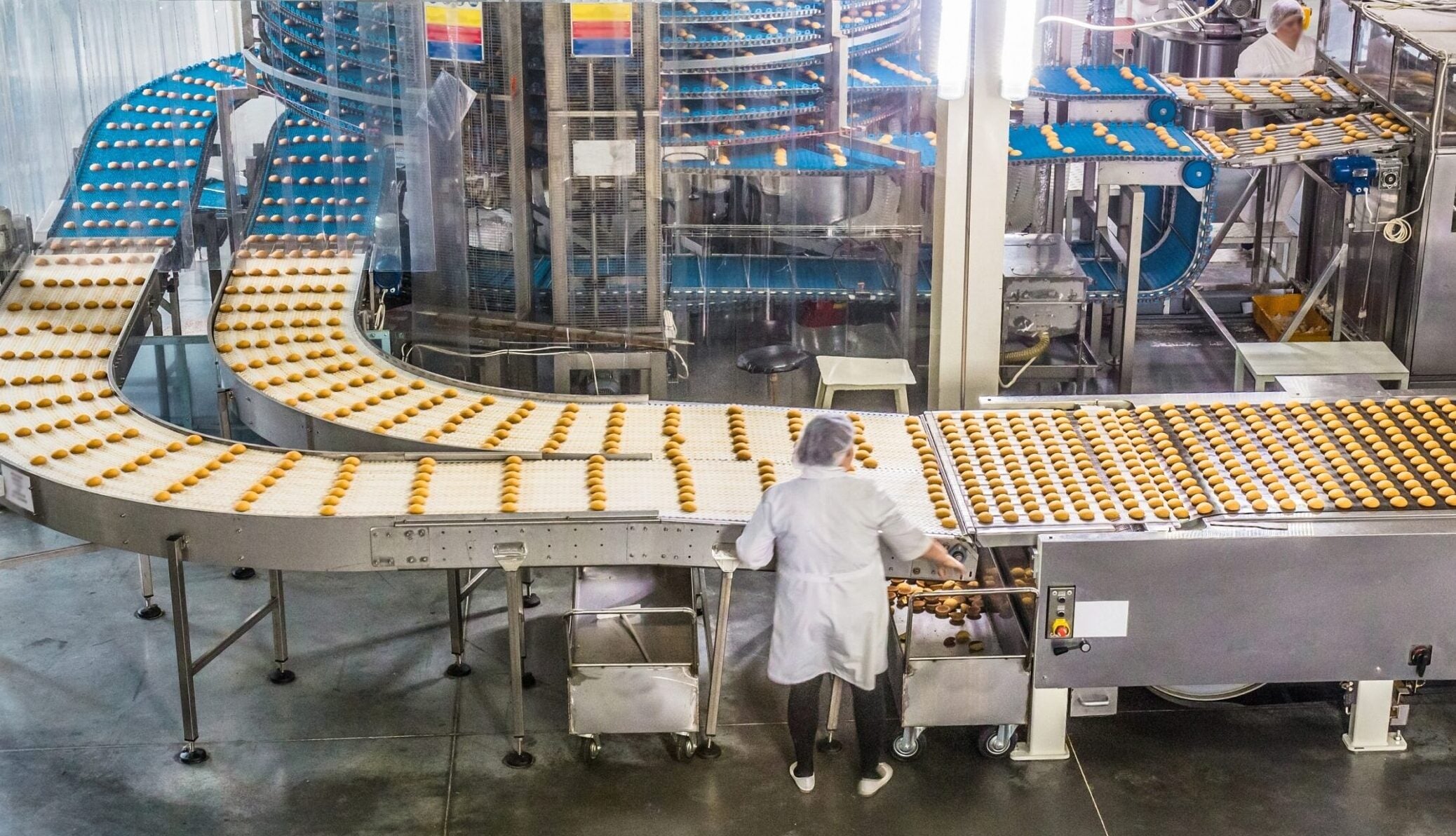
After acquiring the active ingredients, private label food manufacturing starts. The production facilities utilize modern equipment and follow strict health procedures to create secure and scrumptious food. Product packaging is likewise an essential component of this step, making certain that the item stays fresh while appealing to consumers.
Step 4: Quality Assurance and Testing
Private tag food manufacturers carry out strenuous quality assurance checks at every phase of the production process. This includes evaluating the active ingredients, checking production lines, and conducting sensory analyses. These procedures make sure that the final product meets the finest quality standards.

Step 5: Labeling and Compliance
Once the products are produced and high quality checked, private label food manufacturers handle labeling and compliance. They make certain that all info on the product tags is precise and follow regulatory standards. This action is critical to offer consumers with transparent information about the item's components and nutritional values.
Advantages of Private Label Food Manufacturing
Private label food production uses a number of benefits for both stores and customers. Allow's explore several of these benefits:
Customization: Stores have the freedom to create unique products tailored to their target market, permitting them to distinguish themselves from competitors.
Cost-effectiveness: Private label food manufacturers provide affordable solutions by eliminating the demand for sellers to buy study, development, and manufacturing infrastructure.
Control over branding: Retailers can build their brand picture by advertising private tag foods under their very own name. This enables them to establish trust and loyalty among consumers.
Flexibility: Private label food production supplies retailers with adaptability in regards to product offerings. They can easily adapt to changing consumer fads and preferences.
Higher profit margins: With reduced manufacturing costs, retailers can enjoy higher profit margins on private label food compared to branded alternatives.
Quality assurance: Private label food producers prioritize quality control actions, making certain that sellers obtain constant and top quality products for their customers.
FAQs regarding Private Label Food Manufacturing
Q1: What is the function of private label food manufacturers?
A1: Private label food suppliers private label food production play a crucial duty in developing tailored food for sellers or organizations that market them under their own brand name name.
Q2: How does private label food production advantage retailers?
A2: Private label food production allows merchants to provide special items, build their brand name photo, and enjoy higher earnings margins contrasted to branded alternatives.
Q3: Can private label food suppliers satisfy certain nutritional preferences?
A3: Yes, private label food producers can establish items tailored to particular dietary requirements and choices, consisting of gluten-free, vegan, or organic options.
Q4: Exist any laws governing private label food manufacturing?
A4: Yes, private label food makers need to comply with guidelines set by appropriate authorities relating to active ingredient sourcing, labeling, and high quality control.
Q5: Can private label food suppliers handle large production?
A5: Yes, private label food manufacturers have the abilities to handle both small and large production based on the seller's requirements.
Q6: Just how can retailers guarantee the top quality of private label food products?
A6: Stores need to team up with trustworthy private label food producers that prioritize rigorous quality control procedures and have a performance history of providing outstanding products.
Conclusion
Private tag food production uses a globe of opportunities for stores wanting to offer one-of-a-kind and tailored offerings to their consumers. With a structured process including item growth, component sourcing, production, product packaging, and quality control, personal label specialty foods have acquired immense popularity. By partnering with dependable private label food manufacturers in Australia or any other area, merchants can establish their brand name identity while appreciating cost-effectiveness and versatility in their item offerings. So why wait? Study the amazing world of private label foods today!